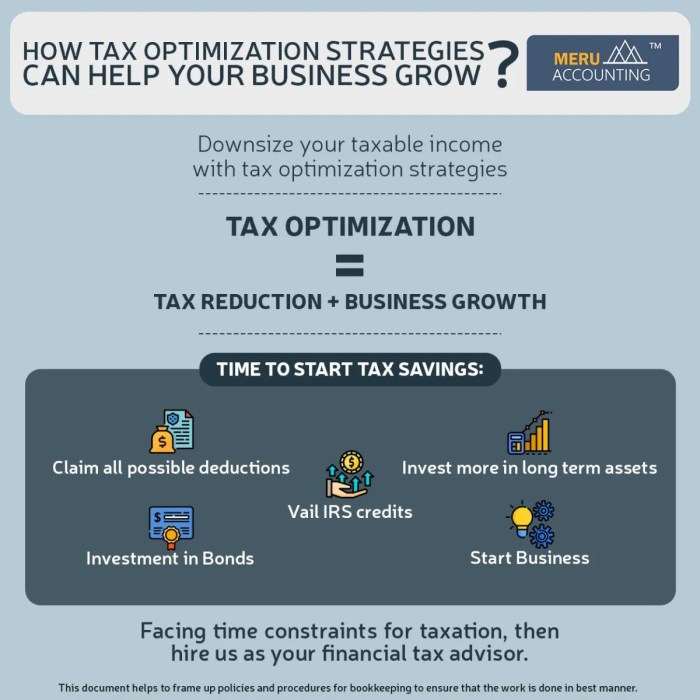
With Tax optimization techniques for corporations at the forefront, this paragraph opens a window to an amazing start and intrigue, inviting readers to embark on a storytelling journey filled with unexpected twists and insights.
Tax optimization is crucial for corporations looking to minimize tax liabilities and maximize profits. By implementing effective strategies, companies can navigate the complex tax landscape with finesse, ultimately boosting their financial health and competitive edge. Let’s delve deeper into the realm of tax optimization techniques for corporations to uncover the key principles and practices that drive success in this arena.
Tax Planning Techniques for Corporations
Tax planning is a crucial aspect of financial management for corporations, as it involves strategies to minimize tax liabilities within the legal framework. By implementing effective tax planning techniques, corporations can optimize their tax obligations and maximize their profits.
Common Tax Planning Strategies
- Utilizing tax credits and deductions to reduce taxable income.
- Implementing tax-efficient investment strategies to generate income.
- Structuring the business in a tax-efficient manner, such as through mergers or acquisitions.
- Utilizing tax-deferred accounts for retirement planning.
Importance of Tax Planning
Tax planning allows corporations to strategically manage their financial resources, ensuring that they are in compliance with tax laws while minimizing tax liabilities. By proactively planning for taxes, companies can allocate resources more effectively and improve their overall financial health.
Short-term vs. Long-term Tax Planning
- Short-term tax planning focuses on immediate tax-saving opportunities, such as deducting expenses or deferring income.
- Long-term tax planning involves creating sustainable tax strategies that benefit the corporation over an extended period, such as through succession planning or capital gains management.
Examples of Tax Planning Techniques
- Income shifting to lower-tax rate entities within the corporate structure.
- Utilizing tax treaties to reduce international tax liabilities for multinational corporations.
- Maximizing tax deductions through charitable contributions or employee benefit programs.
Tax Preparation Process for Corporations

Preparing taxes for corporations involves several crucial steps to ensure compliance and accuracy in reporting financial information to the tax authorities.
Role of Tax Accountants or Professionals
Tax accountants or professionals play a vital role in the tax preparation process for corporations. They are responsible for interpreting tax laws, analyzing financial data, and preparing tax returns in adherence to regulations.
Accurate Record-keeping
Accurate record-keeping is essential for efficient tax preparation. Maintaining detailed financial records throughout the year helps streamline the tax filing process and ensures that all income, expenses, and deductions are properly accounted for.
Best Practices for Streamlining Tax Preparation
- Implementing robust accounting software to track financial transactions.
- Organizing documents and receipts systematically to facilitate easy retrieval during tax preparation.
- Regularly reconciling financial statements to identify discrepancies and rectify errors promptly.
- Seeking professional guidance to navigate complex tax laws and maximize tax-saving opportunities.
- Submitting tax returns well before the deadline to avoid penalties and ensure compliance.
Tax Optimization Strategies for Corporations

Tax optimization is the strategic planning and management of a company’s finances to minimize tax liability while remaining compliant with tax laws. It is crucial for corporations as it helps them maximize profits, improve cash flow, and enhance overall financial performance.
Difference Between Tax Avoidance and Tax Evasion
Tax avoidance refers to the legal means used by corporations to minimize their tax liability through legitimate methods such as deductions, credits, and exemptions. On the other hand, tax evasion involves illegal activities like underreporting income or inflating expenses to avoid paying taxes.
Legal Tax Optimization Strategies
- Utilizing tax credits and deductions available under the tax code.
- Implementing tax-efficient structures such as setting up subsidiaries in tax-friendly jurisdictions.
- Timing income and expenses to take advantage of lower tax rates.
- Maximizing retirement savings plans for employees to reduce taxable income.
Enhancing Financial Performance and Competitiveness
Tax optimization can lead to increased cash flow, reduced costs, and improved profitability for corporations. By effectively managing their tax obligations, companies can reinvest savings into growth initiatives, innovation, and expansion, ultimately enhancing their competitiveness in the market.
Tax Returns Filing for Corporations
When it comes to tax returns filing for corporations, there are specific requirements and deadlines that must be adhered to in order to avoid penalties and consequences.
Filing Requirements and Deadlines
- Corporations are typically required to file their tax returns annually, following the end of their fiscal year.
- The deadline for filing corporate tax returns is usually the 15th day of the third month after the end of the corporation’s tax year.
- Extensions may be available in certain circumstances, but it is important to file for an extension before the original deadline to avoid penalties.
Consequences of Late or Incorrect Tax Returns
- Late filing of tax returns can result in penalties and interest charges being imposed on the corporation.
- Incorrect tax returns may lead to audits by tax authorities, which can be time-consuming, costly, and detrimental to the corporation’s reputation.
- Failure to file tax returns altogether can result in severe consequences, including legal actions and fines.
Tax Returns and Financial Health
Accurate and timely filing of tax returns is crucial as they reflect a corporation’s financial health and compliance with tax laws. It provides insight into the company’s profitability, cash flow, and overall financial stability.
Tips for Filing Tax Returns as a Corporation
- Keep detailed records of all financial transactions throughout the year to ensure accuracy when preparing tax returns.
- Consider hiring a professional tax preparer or accountant with experience in corporate taxes to minimize errors and maximize tax savings.
- Review tax returns thoroughly before submission to ensure all information is accurate and complete.
- Stay informed about changes in tax laws and regulations that may impact your corporation’s tax filing requirements.
In conclusion, mastering tax optimization techniques is essential for corporations striving to achieve financial excellence. By adopting the right strategies and staying abreast of regulatory changes, businesses can not only optimize their tax liabilities but also enhance their overall performance and sustainability in the market. Take charge of your financial future today with these powerful tax optimization insights.
FAQ Guide
What are some common tax planning strategies used by corporations?
Common tax planning strategies for corporations include income deferral, tax credits utilization, and strategic deductions to minimize tax liabilities.
How does tax optimization contribute to a corporation’s financial performance?
Effective tax optimization strategies can enhance a corporation’s financial performance by reducing tax burdens, freeing up resources for investment, and improving overall profitability.
What are the consequences of late or incorrect tax returns for corporations?
Late or incorrect tax returns for corporations can lead to penalties, fines, and audits by tax authorities, potentially damaging the company’s reputation and financial standing.


