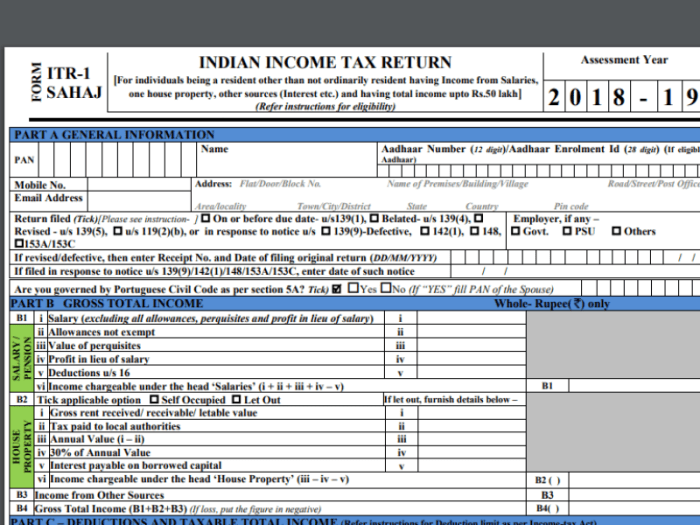
How to file a tax return sets the stage for this informative journey, offering readers insights into the crucial steps involved in tax planning, preparation, optimization, and the actual filing process. This comprehensive guide aims to simplify the often complex world of taxes for both individuals and businesses.
As we delve deeper into the intricacies of tax-related processes, readers will gain a better understanding of how to navigate the complexities of filing a tax return effectively.
Tax Planning
Tax planning is a crucial aspect of financial management that involves analyzing your financial situation to ensure you pay the right amount of taxes. By strategically planning your taxes, you can minimize your tax liabilities and take advantage of available deductions and credits.
Importance of Tax Planning
- Helps in optimizing tax efficiency: Tax planning allows individuals and businesses to structure their finances in a way that minimizes the amount of taxes they owe.
- Ensures compliance with tax laws: By planning ahead and staying updated on tax regulations, you can avoid penalties and legal issues related to incorrect tax filing.
- Maximizes savings: Through effective tax planning, you can identify opportunities to save money through deductions, credits, and tax-deferred investments.
Strategies for Tax Planning
- Utilize tax-advantaged accounts: Contributions to retirement accounts like 401(k) or IRA can reduce your taxable income.
- Take advantage of deductions and credits: Identify deductions and credits that apply to your situation, such as mortgage interest, charitable contributions, or education expenses.
- Plan for capital gains: Timing the sale of investments can help minimize taxes on capital gains by taking advantage of lower tax rates.
Benefits of Tax Planning
- Reduced tax liabilities: By proactively planning your taxes, you can lower the amount of taxes you owe, leaving more money in your pocket.
- Improved cash flow: Effective tax planning can help manage your finances better, ensuring you have enough cash flow to meet your financial goals.
- Long-term financial success: By incorporating tax planning into your overall financial strategy, you can set yourself up for long-term financial stability and growth.
Tax Preparation

Preparing for tax filing involves gathering and organizing all necessary documents to accurately report your income and claim any deductions or credits you are eligible for. Here are the steps involved in preparing for tax season:
Organizing Financial Records
To streamline the tax preparation process, start by organizing all your financial records. This includes income statements, receipts, investment statements, and any other relevant documents. Consider using a filing system or digital tools to keep everything in one place.
- Keep track of all income sources: W-2s, 1099s, and other income statements.
- Maintain records of deductible expenses: receipts for charitable donations, medical expenses, and business expenses.
- Organize investment statements: documents related to stocks, bonds, and other investments.
Common Deductions and Credits
When preparing your tax return, be sure to consider common deductions and credits that could help lower your tax liability. Some deductions and credits to keep in mind include:
- Standard Deduction: If you don’t itemize deductions, you can claim the standard deduction to reduce your taxable income.
- Child Tax Credit: If you have dependent children, you may be eligible for this credit to reduce your tax bill.
- Educational Credits: Credits like the Lifetime Learning Credit or the American Opportunity Credit can help offset education expenses.
- Home Mortgage Interest Deduction: If you own a home, you can deduct the interest paid on your mortgage.
- Health Savings Account Contributions: Contributions to an HSA are tax-deductible and can lower your taxable income.
Tax Optimization

When it comes to filing your tax return, tax optimization plays a crucial role in maximizing your tax savings. By strategically planning and utilizing tax optimization strategies, you can minimize your tax liability and keep more of your hard-earned money.
Tax optimization involves leveraging various deductions, credits, and strategies to reduce the amount of taxes you owe. It is an essential component of financial planning as it helps individuals and businesses make the most of available tax benefits while staying compliant with tax laws.
Tax Optimization Strategies for Different Income Levels
- For Low-Income Earners:
- Take advantage of refundable tax credits like the Earned Income Tax Credit (EITC) to boost your tax refund.
- Contribute to retirement accounts such as a Traditional IRA or 401(k) to lower your taxable income.
- For Middle-Income Earners:
- Itemize deductions to claim expenses like mortgage interest, medical expenses, and charitable contributions.
- Consider tax-loss harvesting to offset capital gains and reduce your tax liability.
- For High-Income Earners:
- Maximize contributions to retirement accounts and health savings accounts (HSAs) to reduce your taxable income.
- Utilize tax-advantaged investment strategies like municipal bonds to generate tax-free income.
Filing a Tax Return
When it comes to filing a tax return, it is essential to understand the process, deadlines, and requirements involved. Whether you choose to file electronically or by mail, ensuring the accuracy of the information provided is crucial to avoid any issues with the IRS.
Electronic Filing vs. Filing by Mail
- Electronic Filing: Filing your tax return electronically is a quicker and more convenient option. It allows for faster processing and reduces the risk of errors compared to paper filing.
- Filing by Mail: If you prefer to file your tax return by mail, make sure to use certified mail to track your return. It may take longer to process, but it is still a valid option for those who prefer traditional methods.
Verifying Information Accuracy
- Double-Check Forms: Before submitting your tax return, review all forms and schedules to ensure accuracy. Mistakes can lead to delays or trigger an audit by the IRS.
- Use Software Tools: Consider using tax preparation software to help catch any errors or missing information before filing.
- Keep Records: Maintain records of all income, deductions, and credits claimed on your tax return. This will help you verify the accuracy of the information provided.
In conclusion, mastering the art of filing a tax return is crucial for financial success. By implementing the strategies Artikeld in this guide, individuals and businesses can optimize their tax savings and ensure compliance with relevant regulations.
FAQ Overview
Can I file my tax return online?
Yes, you can file your tax return electronically through various online platforms approved by the IRS.
What documents do I need for tax preparation?
You will need W-2 forms, 1099 forms, receipts for deductions, and any other relevant financial records.
How can I maximize tax savings?
Consider contributing to retirement accounts, taking advantage of tax credits, and optimizing deductions.
What is the deadline for filing a tax return?
The deadline is typically April 15th, but it can vary based on specific circumstances.
What should I do if I make a mistake on my tax return?
You can file an amendment using Form 1040X to correct any errors on your tax return.


